





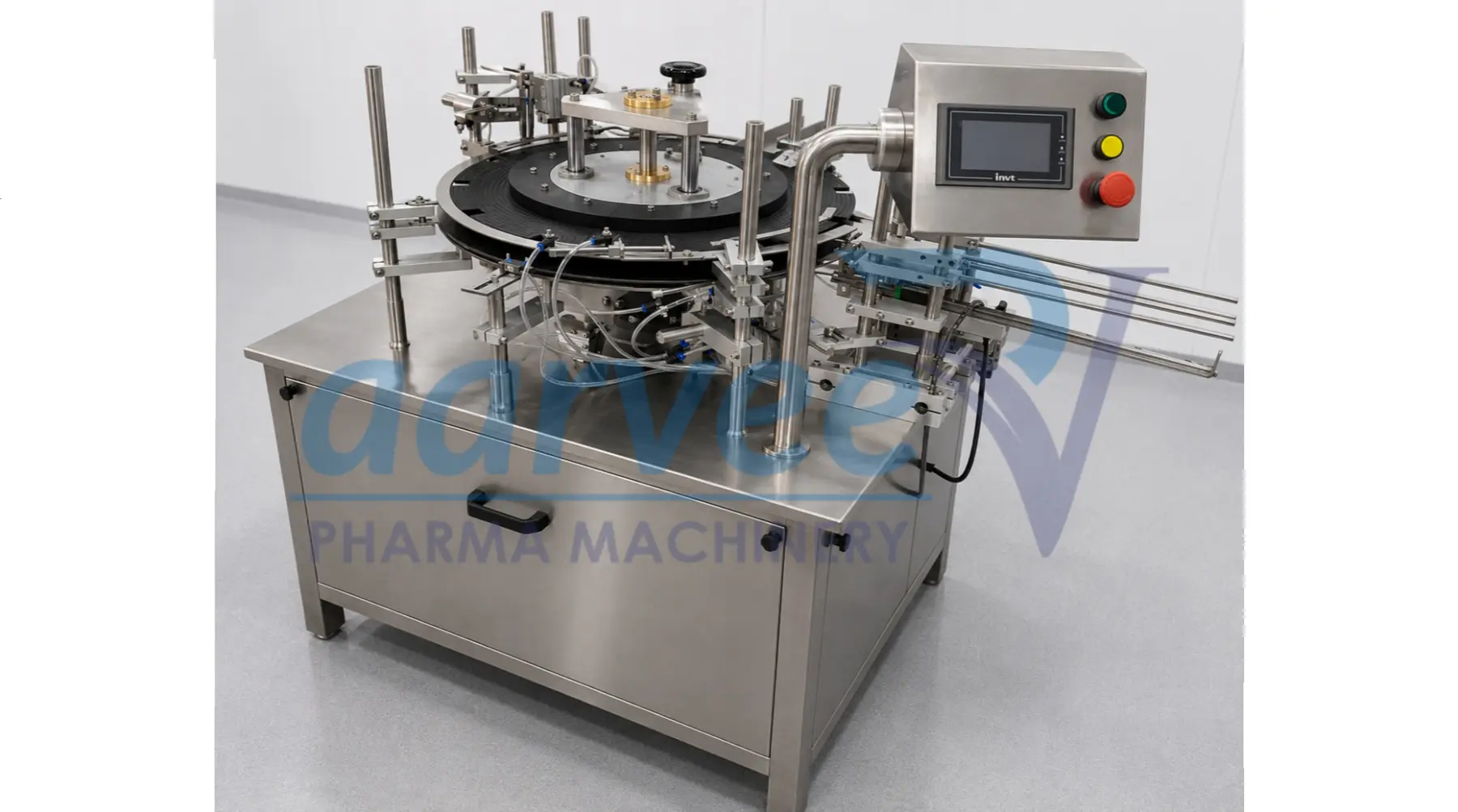
The main difference is how the product enters the carton
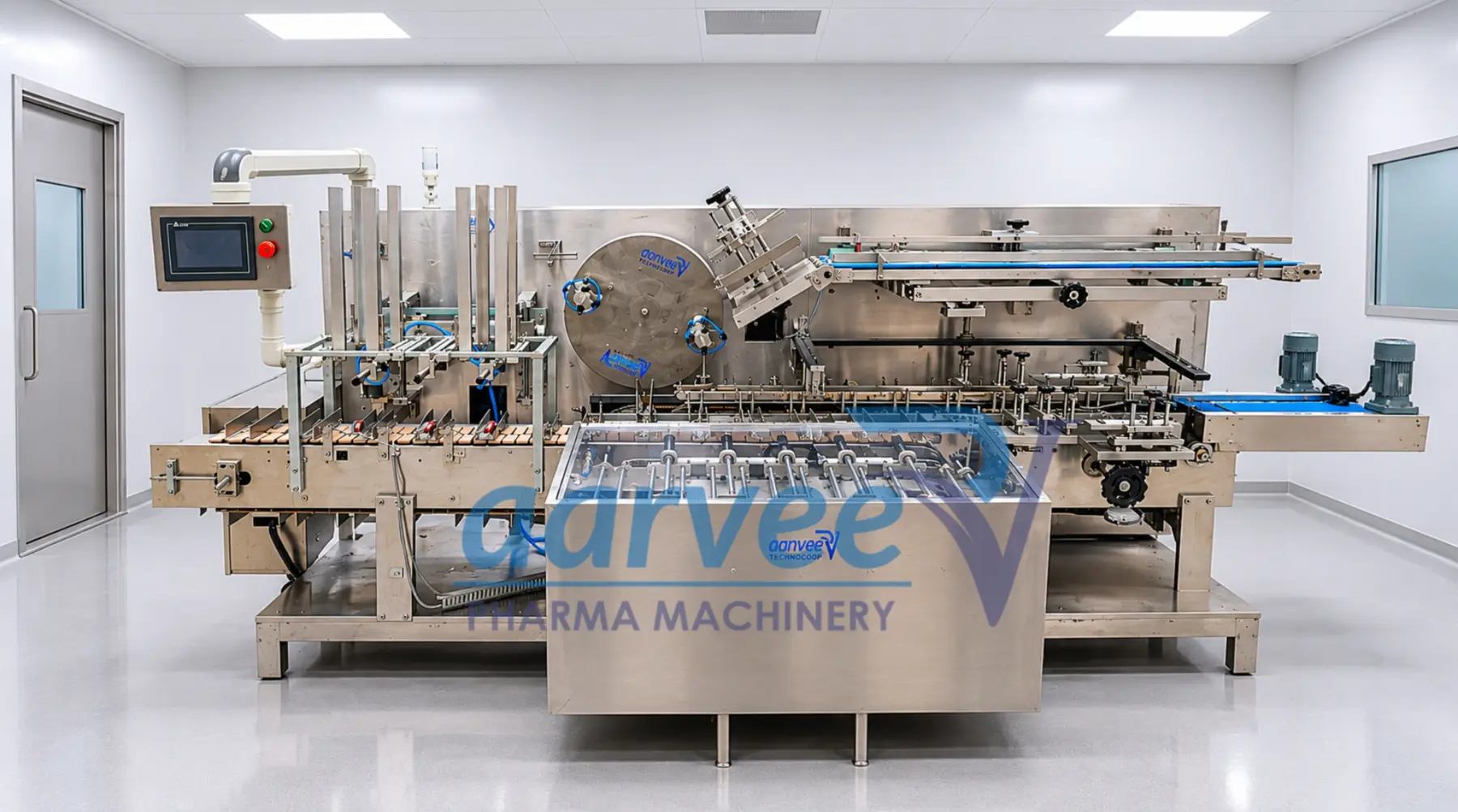
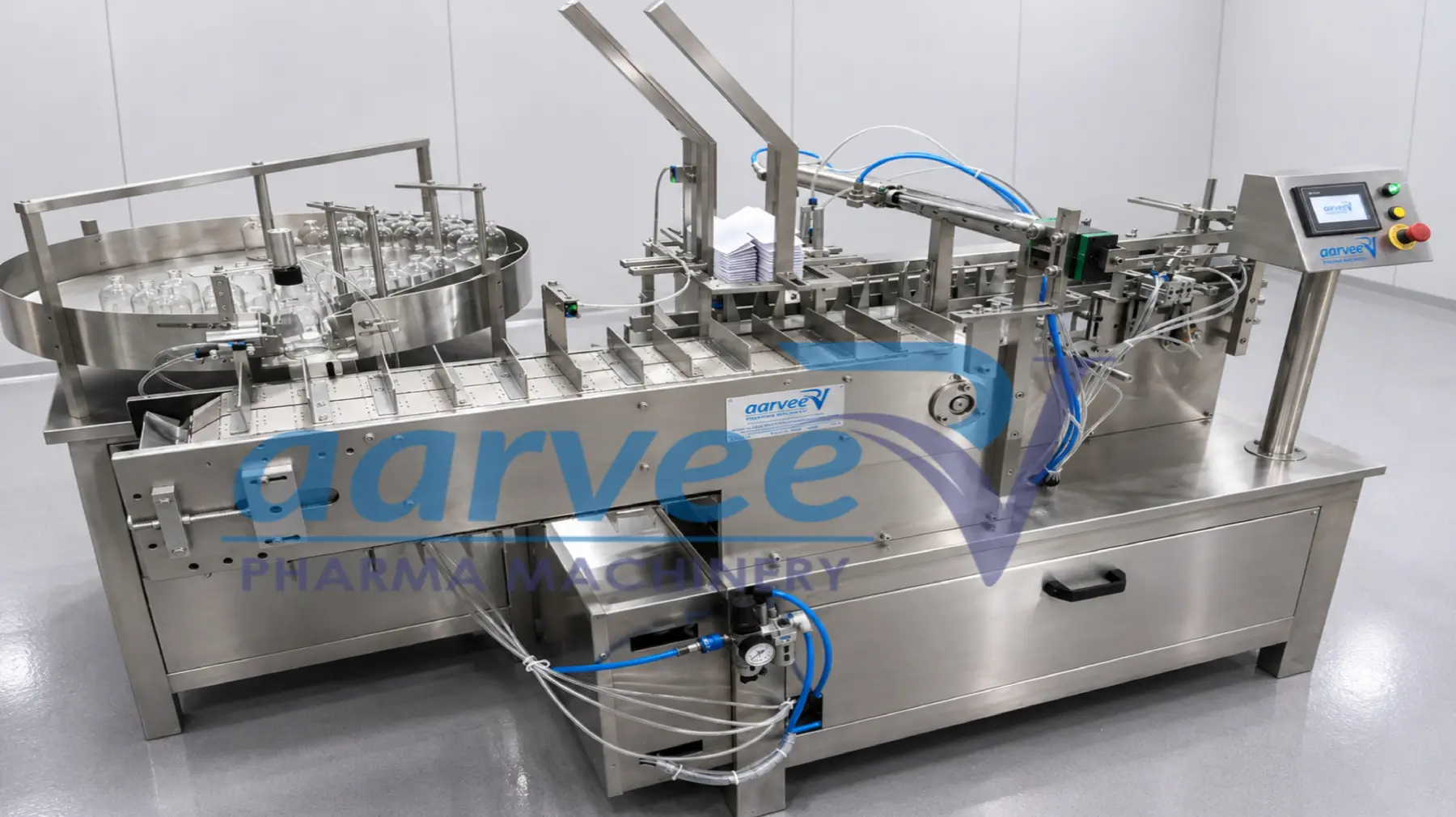
A horizontal cartoning machine opens a pre-folded carton and loads the product through a side or end panel. Product handling is normally synchronized with the carton flight chain and insertion mechanism. A vertical cartoning machine holds the carton with its top opening accessible so the product can be placed from above.
This loading direction affects the infeed, product control, carton design, operator access and available output. Selection should therefore follow a product-handling trial or a detailed review of representative samples.
When a horizontal cartoner is commonly evaluated
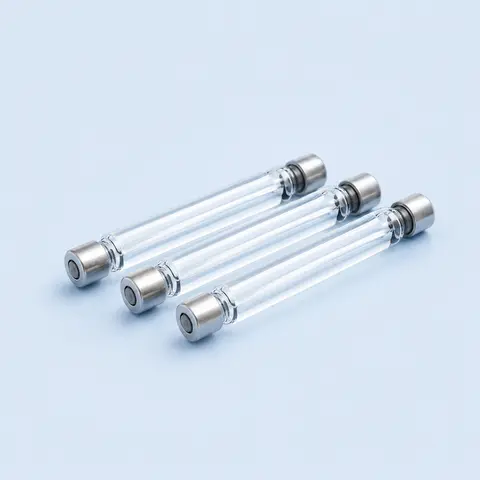
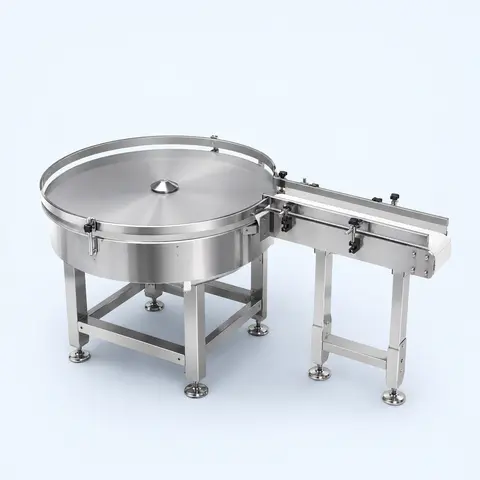
Horizontal cartoners are frequently used for products that can be transferred, stacked, collated or guided into a controlled insertion position. Examples include blister packs, strips, tubes, pouches, sachets, flow-wrap packs, soap packs, bottles and vials with suitable feeding systems.
The architecture can accommodate leaflet insertion before the product group enters the carton. Compact intermittent platforms and synchronized high-speed platforms are available, but the final motion concept depends on pack behaviour and sustained line output.
- The product can be presented in a consistent side-load orientation.
- Automatic collating or stacking is required before insertion.
- Leaflet handling and code verification are part of the cycle.
- The line layout provides enough length for product timing and insertion.
When a vertical cartoner is commonly evaluated
Vertical cartoners are useful when a product is more stable or accessible during top loading. Bottles, jars, tubes, pouches, hardware, stationery and irregular consumer products may be loaded manually, semi-automatically or through a dedicated automatic feeding arrangement.
A rotary vertical cartoner indexes cartons around a circular path, while a linear vertical cartoner moves them through a straight sequence. Rotary layouts can provide compact indexed stations; linear layouts can provide accessible loading positions and scalable feeding zones.
- The product is easier to lower into an open carton than push from the side.
- Manual loading is required initially with a future automation path.
- The product has an irregular profile or sensitive side surfaces.
- The carton design and closure can support top-loading operation.
Use a sample study to resolve borderline applications
Some bottles, tubes and pouches can run on either architecture. In those cases, compare orientation control, leaflet requirement, changeover range, required output, floor space, operator involvement and carton closing before selecting the platform.
A useful proposal should explain the recommended loading direction, product-infeed concept, motion type, closure arrangement, inspection scope and the assumptions used for output. This provides a better engineering basis than comparing model names alone.
| Input | Why it matters |
|---|---|
| Product and carton samples | Confirms stability, contact areas, opening quality and fit |
| Required cartons per minute | Guides motion platform, feeding and accumulation |
| Leaflet and coding scope | Affects timing, layout, sensors and rejection |
| Available floor plan | Confirms infeed, access and connected-equipment arrangement |
| Changeover range | Defines guides, format parts and adjustment strategy |