





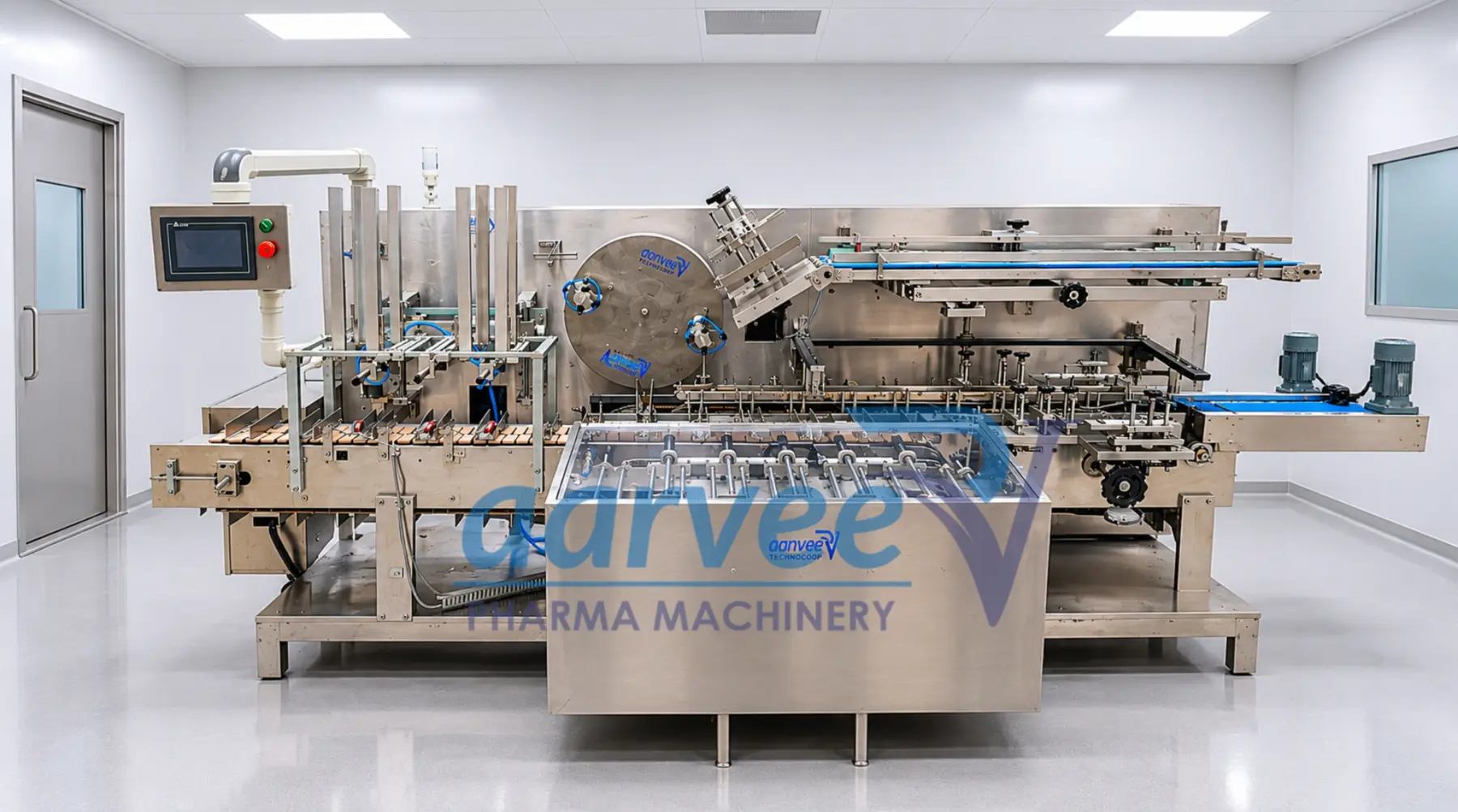
Begin with the pack, not the machine catalogue
A dependable cartoning-machine selection starts with representative products, cartons and leaflets. Product dimensions alone are not enough: orientation, surface friction, stability, incoming presentation, permissible contact areas and the number of products per carton all affect the feeding and insertion concept.
The carton must also be evaluated as a running component. Board stiffness, crease quality, glue condition, closure style and dimensional consistency influence carton pick-up, opening and closing. A realistic selection study therefore reviews the complete pack and the upstream flow before choosing a cartoner platform.
- Provide filled or production-representative product samples, not only empty containers.
- Include the proposed carton drawing, board specification and physical carton samples.
- Share the leaflet size, paper GSM, fold pattern and required code-verification method.
- Define the number and orientation of products in each carton.
Choose the loading direction around product behaviour
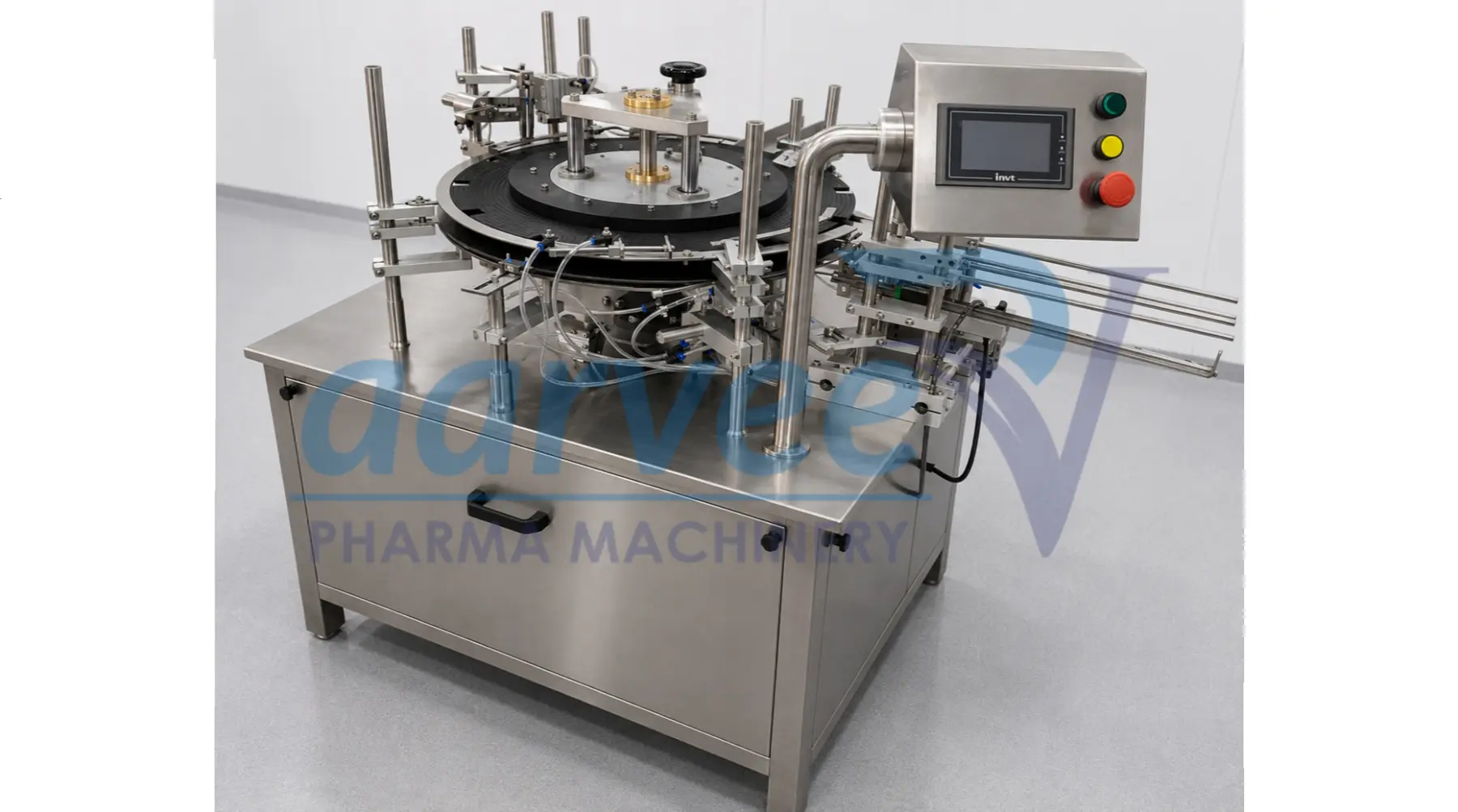
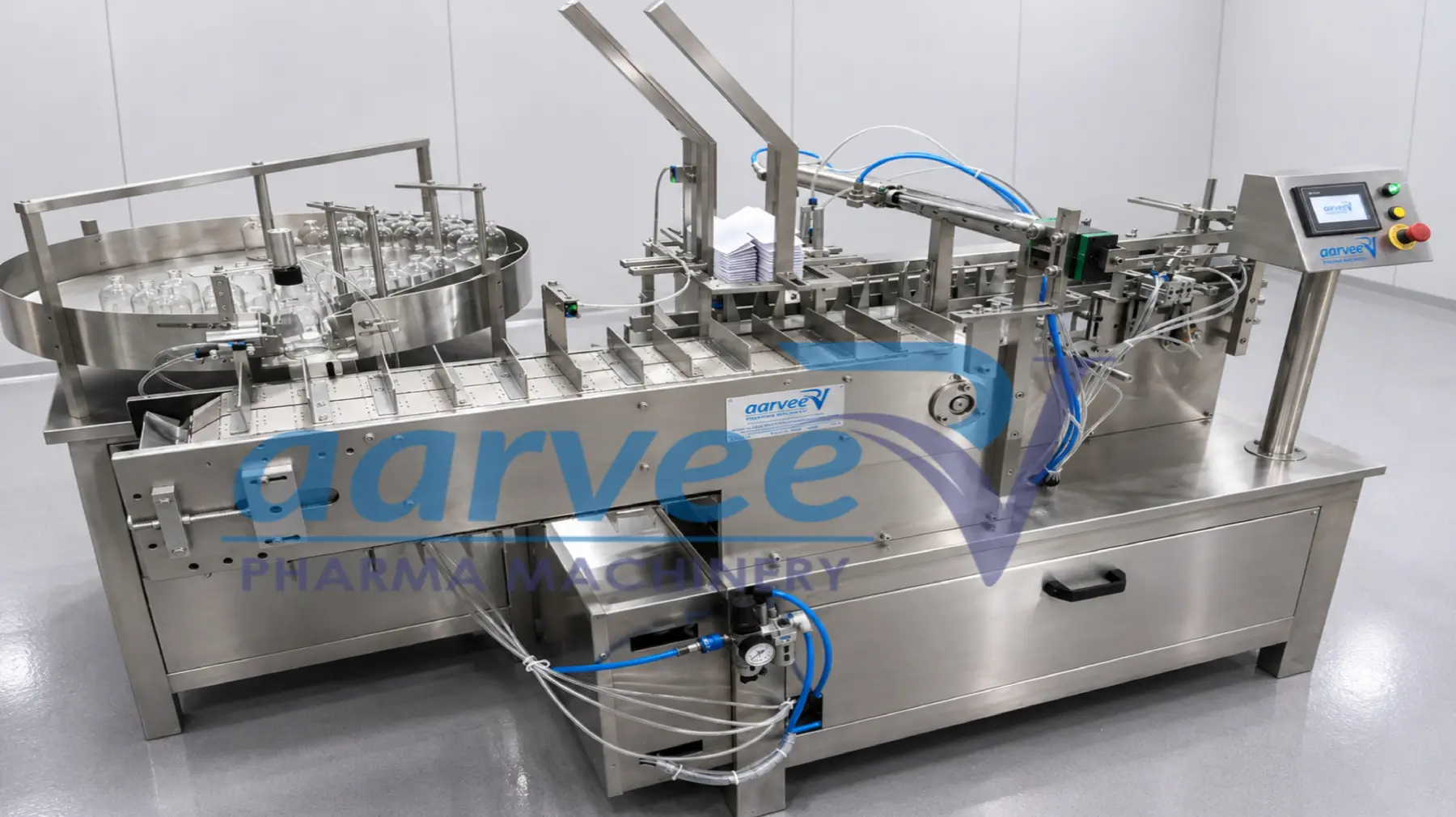
Horizontal cartoners erect a carton and insert the product through the open side. This architecture is commonly evaluated for blisters, strips, tubes, pouches, flow-wrap packs and containers that can be controlled during side loading. Vertical cartoners present the open carton top for manual or automatic loading and can suit bottles, jars, tubes, pouches and irregular products that are easier to lower into position.
Neither format is universally better. The correct decision depends on product stability, required output, leaflet handling, carton design, operator involvement and the space available for product feeding and safe access.
| Decision area | Horizontal cartoner | Vertical cartoner |
|---|---|---|
| Loading direction | Side or end load | Top load |
| Common product behaviour | Stable, guided or collated packs | Containers or irregular products placed from above |
| Feeding options | Automatic timing, stacking, collating or transfer | Manual, semi-automatic or engineered automatic loading |
| Typical layout question | Insertion travel and product infeed length | Top access, operator position and carton indexing |
Match motion architecture to sustained output
Intermittent-motion cartoning provides a defined dwell for product collation, insertion and closing. It can be a strong choice for varied formats, moderate output and applications where a controlled index simplifies product handling. Continuous-motion cartoning can support higher sustained output when the upstream product supply, carton quality and pack presentation are consistent enough to remain synchronized.
A quoted maximum speed is not the same as a proven production rate. Compare the required sustained output using the actual number of products per carton, leaflet operation, inspection sequence, reject handling and expected line efficiency.
- State the upstream machine output and the normal operating range, not only the target peak.
- Confirm accumulation or buffer requirements between connected machines.
- Include planned format-change frequency and acceptable changeover time.
- Define how rejected products and cartons will be reconciled.
Specify inspection, documentation and integration early
Coding, leaflet verification, vision inspection, serialization interfaces and reject confirmation can change the controls architecture and physical layout. These functions should be defined before the final proposal rather than added after the product-handling concept is fixed.
Domestic and export projects should also identify the installation location and destination country where applicable, electrical supply, safety requirements, preferred component standards, documentation scope, factory-acceptance criteria and commissioning responsibilities. This makes quotations easier to compare and reduces late scope changes.
- Product, carton and leaflet presence checks
- Code, pharmacode, OCR or OCV verification where required
- Reject confirmation and batch reconciliation
- Upstream and downstream communication signals
- Factory acceptance test samples and acceptance criteria