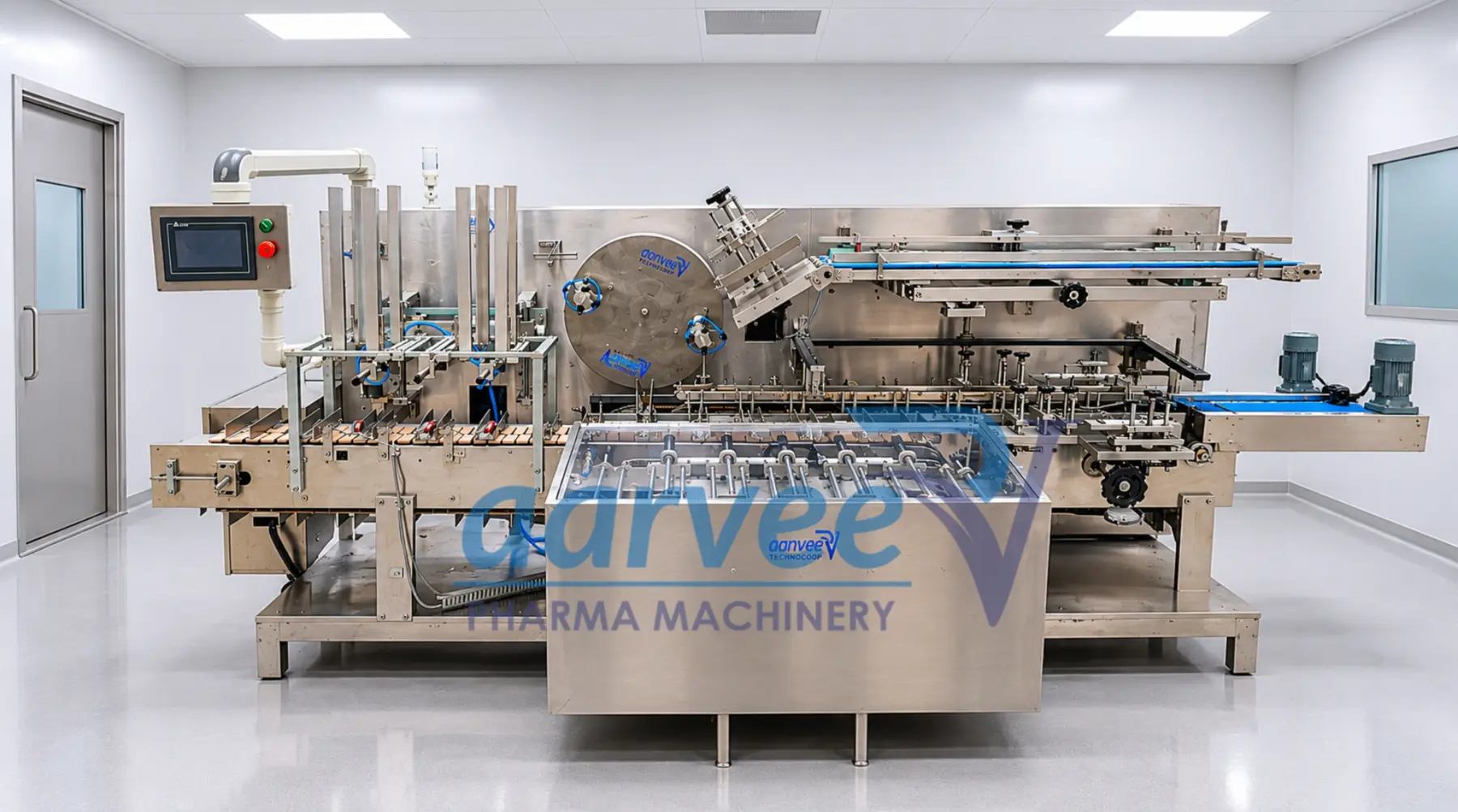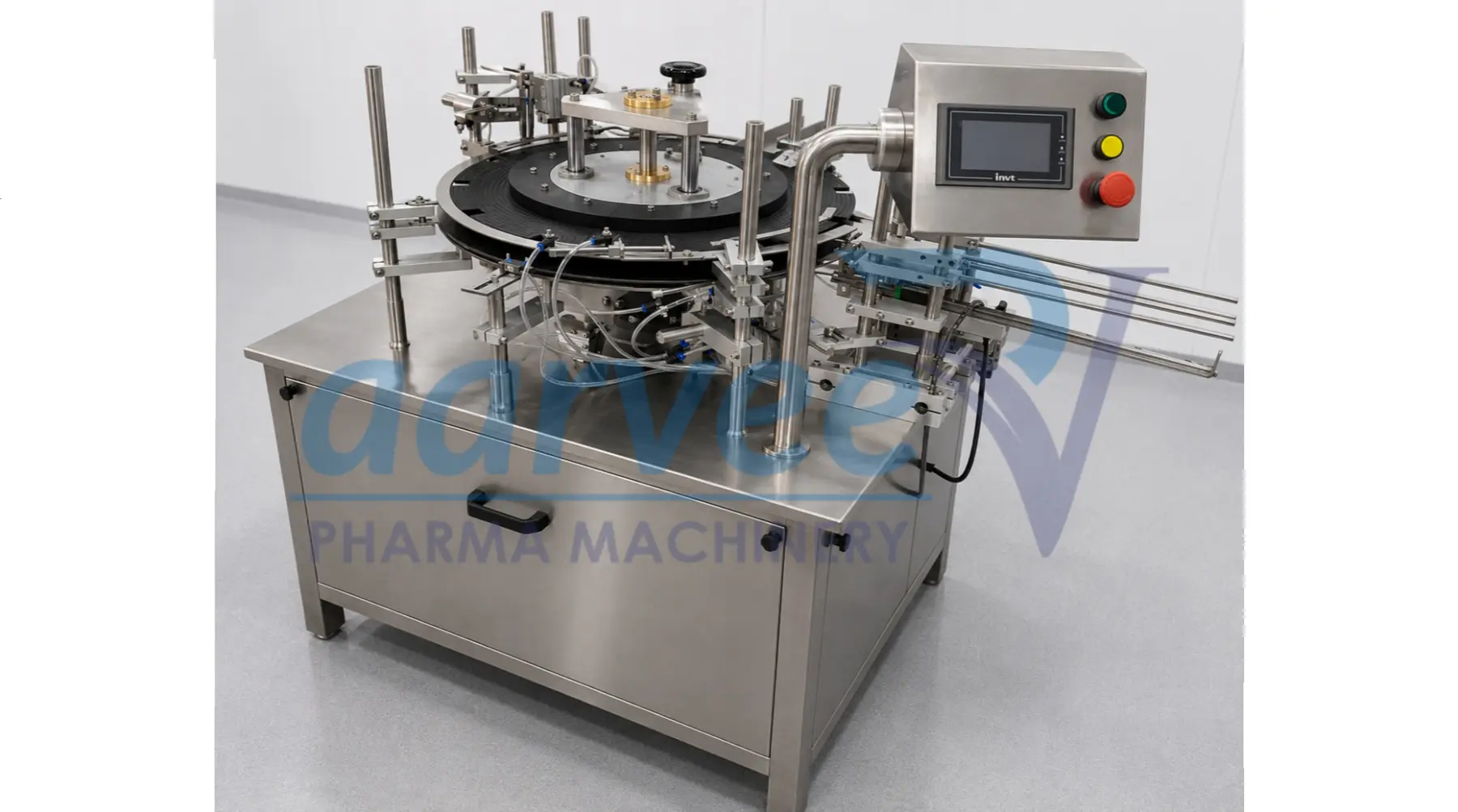






Define the product and incoming presentation
A user requirement specification should explain what reaches the cartoner and how it arrives. A blister delivered singly from an upstream machine needs a different infeed from a manually loaded blister stack. The same applies to bottles arriving in single file, flexible pouches from a wrapper and tubes that require orientation control.
Include all commercial formats expected during the machine life. Identify the normal format, minimum and maximum sizes, products per carton and any combinations that require different leaflets or inserts.
- Product name or neutral format reference
- Length, width, height or diameter and filled weight
- Orientation, centre of gravity and sensitive contact areas
- Incoming rate, pitch and presentation from the upstream process
- Products per carton and required collation pattern
Document every packaging component
Carton and leaflet quality directly affect machine performance. Supply approved drawings and physical samples wherever possible. If artwork is confidential, unprinted production-equivalent components can still be used to confirm dimensions, material and mechanical behaviour.
| Component | Information to provide |
|---|---|
| Carton | Drawing, dimensions, board GSM, grain direction, closure and glue details |
| Leaflet | Open and folded size, paper GSM, fold pattern and code-verification requirement |
| Insert or tray | Material, dimensions, orientation and relationship to the product |
| Labelled container | Final label position, cap or pump, permissible handling zones and filled weight |
Separate required output from headline maximum speed
State the required sustained cartons per minute for each format, the upstream machine rate and the expected operating pattern. Short campaigns with frequent changes may prioritize accessible adjustment and repeatability, while long campaigns at stable output may justify a different motion and feeding architecture.
Define how line efficiency will be evaluated during factory acceptance. The test duration, product quantity, permissible stops, reject conditions and acceptance criteria should be agreed before the trial.
- Required sustained and maximum output by format
- Shift pattern and expected batch duration
- Target changeover time and format-change frequency
- Upstream and downstream equipment speeds
- Buffer, accumulation and line-control expectations
Include controls, inspection and compliance requirements
Controls and inspection requirements should be part of the base scope, not assumptions left for the end of the project. State the preferred PLC and HMI standards if mandatory, required user levels, data interfaces, coding equipment, inspection checks and rejection logic.
For domestic and export-market installations, identify the location or destination, electrical supply, environmental conditions, applicable safety standard, language, documentation, validation support, installation, commissioning and training scope.
- Electrical supply, compressed air and available utilities
- Machine safety and electrical standard for the destination market
- Coding, vision, OCR/OCV, leaflet and product-presence checks
- Reject confirmation, reconciliation and audit-trail expectations
- Documentation, FAT, installation, commissioning and training deliverables
Prepare representative samples for engineering and FAT
Sample quantity depends on the machine type, output and proposed trial duration. Ask the manufacturer to state the quantity required for design confirmation, internal trials and factory acceptance. Samples should represent expected production quality and should be identified by format and revision.
If final components are not yet available, clearly mark provisional samples and agree how changes will be controlled. A change in carton board, crease, leaflet paper, container closure or product weight can affect feeding and machine performance even when nominal dimensions remain similar.
- Maintain a signed sample and drawing register with revision status.
- Separate design samples from FAT consumables.
- Record any provisional material and the planned approval date.
- Protect sensitive, fragile or regulated samples during shipment.